Bond Buybacks
As market conditions shift, bond buybacks are emerging as a smart strategy to cut costs, simplify debt management, and boost financial flexibility.

Browse the latest insights available to your account.
541 insights found

As market conditions shift, bond buybacks are emerging as a smart strategy to cut costs, simplify debt management, and boost financial flexibility.

Universities face mounting financial pressures from deficits, volatile cash flows, and capital projects. Effective treasury management, encompassing cash flow forecasting, liquidity planning, short-term investment, credit facilities, debt review, and risk hedging, is crucial. Arlingclose supports universities with tailored strategies to enhance resilience, manage risk, and align financial operations with strategic objectives.

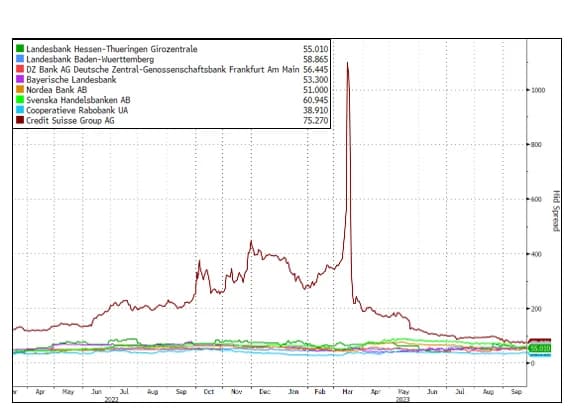
Why Now Is the Time to Secure Your Deposits; As Credit Default Swaps Rise, So Does the Risk.

Effective treasury management requires a balanced approach to risk, recognising that not all risks can or should be avoided. Organisations must evaluate and manage risks within their strategic framework and risk appetite. By setting measurable KPIs and adopting appropriate mitigation strategies, treasury teams can manage financial and operational risks holistically, safeguarding value while enabling opportunities for growth.

Arlingclose is known for advising local authorities, but our services span far wider. We support charities, housing associations, EMIs, pension funds, and private firms with investment strategy, credit analysis, regulatory compliance, and debt restructuring. Our deep market knowledge, risk expertise and cross-sector experience enable us to deliver bespoke, value-adding solutions across a broad spectrum of financial challenges.

Gilt Yields & CDS Prices are Shifting

Arlingclose x Liquidity Edge Partnership

The Barnett Formula, introduced in 1978, determines changes in block grants for Scotland, Wales, and Northern Ireland based on population share. While it simplified funding allocation, it faces criticism for lacking transparency and ignoring regional needs. Attempts to reform it, including a needs-based approach, remain unimplemented. Further devolution of tax powers offers alternatives, but no permanent solution has emerged.

With fiscal headroom shrinking and structural trade imbalances deepening, today’s Spring Statement raises a critical question: can the UK escape the grip of its twin deficits?
By clicking “Accept”, you agree to the storing of cookies on your device to enhance site navigation, analyze site usage, and assist in our marketing efforts. View our Cookies Policy for more information.