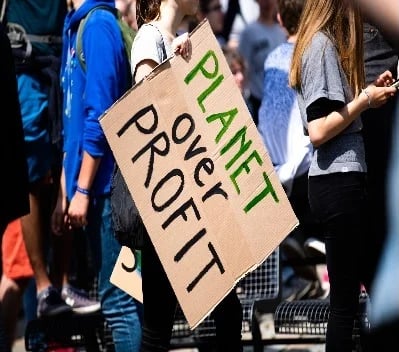
With over two thirds of local authorities declaring a climate emergency amidst rising temperatures and mass waste as a result of over-consumption, it is safe to say that environmental concerns have been brought to the fore in recent years. As ESG factors have become a higher priority in investment strategies so has the level of misdirection surrounding these issues, leading to the rise of “greenwashing”.
Although greenwashing is not a new phenomenon, it has certainly taken on a new meaning in today’s climate. Greenwashing can refer to any attempt by an organisation to portray themselves as doing more for the environment or society than they actually are, but this can take many forms. From Volkswagen parading their vehicles as “low emissions” when they actually produced 40 times more than the allowed limit, to Amazon cutting the health benefits of part time workers one year after committing the company to serve “all stakeholders”.
Many investors do not have the time or resources to individually evaluate a company’s environmental impact which is where ESG funds have come into play. For a fund to be able to call itself ESG focused, it would generally follow certain criteria for investments such as investing in companies that abide by the UN Principles of Responsible Investments or not investing in certain industries such as weapons, fossil fuels or alcohol and tobacco. In an ideal world a fund that has an ESG label would be trusted to have a robust method for choosing investments that fit into an ESG category, but this is not always the case.
In the past funds have been labelled as ESG focused but included investments that failed to meet the criteria for such funds, either purposefully to mislead investors or by accidental failure of screening processes. As the attention on ESG factors grows so does the incentive to break into the market which has led to a flood of new “green” investments options but due to the evolving nature of the sector and loose definitions of what constitutes an environmentally friendly investment, extra due diligence is necessary to ensure that investors do not fall into the greenwashing trap.
When selecting investments, especially in ESG funds, investors should always be prepared to do extra research to ensure that the reality adds up to the claims that are made. Looking past the jargon thrown around in the sector can be difficult but just because something sounds environmentally friendly does not mean that it lives up to the expectations as was seen in the slew of biofuel campaigns which, while sounding good, had done more harm than good. While this is not the only case of this kind, as regulations on ESG investments gain more clarity and standardisation we should see them start to become few and far between although this is not a reason to not preform necessary due diligence! And as always, if you have any questions or would like research done on a specific ESG fund please get in touch by emailing treasury@arlingclose.com.