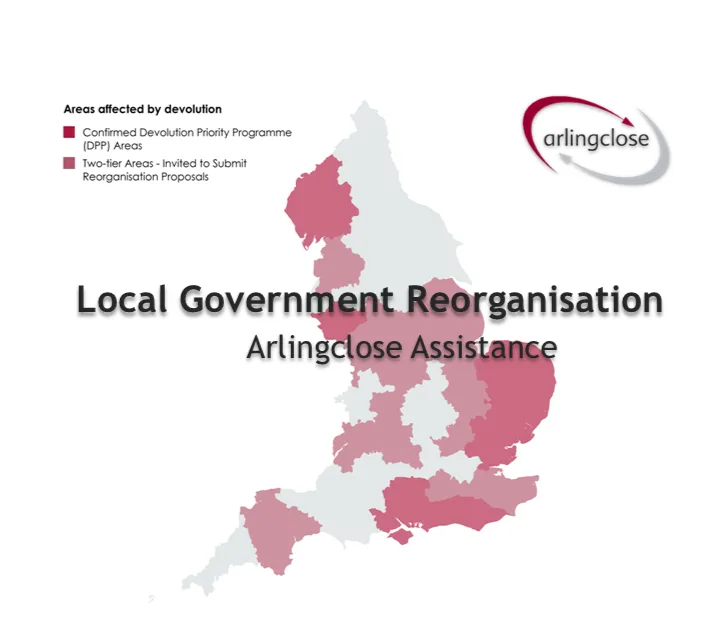
Local government reorganisation (LGR) presents both a structural and operational challenge for authorities. Insights from a recent panel session with officers from restructured councils reveal that the transition is as much about managing people and processes as it is about balancing books. For treasury teams, early groundwork is vital to ensuring a smooth and financially stable Day One and beyond.
- People First, Systems Second
The single most consistent message from those who’ve navigated reorganisation is the centrality of people. Early restructuring of finance and support teams provides clarity on roles and helps preserve institutional memory. When knowledge departs with staff, decision-making becomes more fragile, particularly in the face of complex treasury operations. Establishing clear lines of accountability and accessibility within teams, including shadow and permanent appointments for senior posts like the S151 officer, lays a foundation for financial governance.
- Operational Readiness
Authorities often underestimate the importance of basic operational mechanics before vesting day. Practical decisions, such as who has authority on banking mandates, the registered office location, and how emergency payments will be made, can become critical pain points. Cash flow planning, establishing short-term liquidity, and setting up Money Market Funds (MMFs) early are all essential but time-consuming tasks. Some authorities relied heavily on the Debt Management Office (DMO) in the early days due to delays in MMF onboarding. Thoughtful documentation of decisions is key, especially when future teams may need to revisit early assumptions.
- System Transitions and Data Integration
Treasury teams reported that new finance systems and data integration proved significantly more difficult than anticipated. Legacy systems, staff unfamiliarity, and fragmented access to financial information created considerable obstacles. Consolidating general ledgers and closing legacy bank accounts took years, not months. The lesson: invest in training across finance and service teams and prioritise system readiness and data integrity well ahead of legal go-live.
- Managing Liquidity and Debt
While debt management issues such as splitting portfolios and reconciling different Minimum Revenue Provision (MRP) policies were more long-term challenges, initial liquidity risks were very real. Understanding new cash flow patterns took time, and the inability to model accurately exposed vulnerabilities. The lesson here is clear: focus on revenue-side understanding and ensure administrative readiness to enable smooth borrowing and investment from day one.
- Document Everything
One recurring theme was the danger of making time-pressured decisions without sufficient documentation. With staff turnover and evolving priorities, it is easy to lose track of the rationale behind key choices. Whether it’s assumptions about disaggregation or emergency cash handling, maintaining a record enables later review and adjustment.
Final Thoughts
For authorities in the early stages of reorganisation, the message is pragmatic: be realistic about timeframes, get the right people in place early, and prioritise operational basics over theoretical strategies. As one officer reflected, “Rome wasn’t built in a day, and five years on, we’re still on the journey.” Treasury teams play a critical role in enabling that journey to be stable, flexible, and legally compliant from the outset.
If you are in the early stages of planning LGR and would like to discuss any of the issues raised above please contact Arlingclose.
03/02/2026
Related Insights
How Does Adjustment-A Impact Local Government Reorganisation?