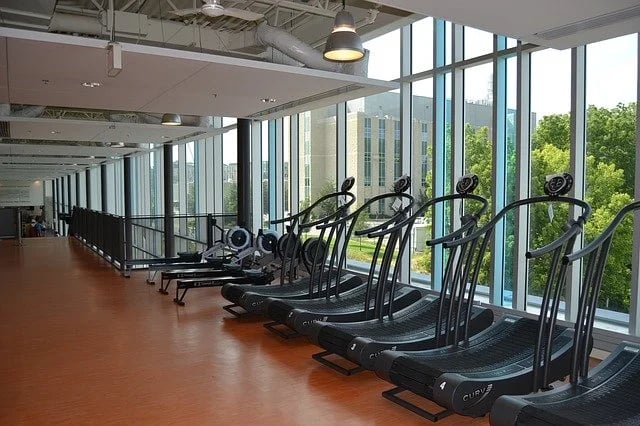
In a further easing of lockdown restrictions, indoor gyms, swimming pools and leisure centres will be allowed to open from the 25th July. A welcome relief for many of these organisations and also the public, who will be eager to get themselves back into shape and promote their health after many months of inactivity. Attending leisure centres has also proved to be a great way to increase one’s mental health and the benefits of these vital hubs are countless to the communities that they serve.
The running of leisure facilities is usually outsourced to a third party. These leisure providers tend to rely on small margins which need to cover overheads as well as generating management fees and a share of profit back to the local authority.
Even when these leisure facilities reopen many are expected to operate with decreased operating hours and a reduction in overall capacity, due to the need to adhere to social distancing guidelines. The coronavirus pandemic has already removed vital streams of income for these providers and it is expected that they will not return to pre-pandemic income levels for some time.
With little access to private finance, this means that the ability to provide services is dependent on the operator running at a surplus, as any liquidity squeeze or short-term losses must be made up from retained earnings or trust funds (in the case of a charitable trust providing leisure services). When this is unavailable, often councils are forced to step in with short term finance to ensure continuity of service.
Arlingclose has a successful track record of performing due diligence and analysing the credit quality of outsourced leisure providers. This work can be carried out efficiently and in as much detail as required, whether a broad-brush desktop review of the financial statements to a more in-depth look at many factors. These reports are completely bespoke and therefore allow us to adapt to your wants and needs.
Please contact Arlingclose at treasury@arlingclose.com for more information.